Best Handheld Ham Radios Under $100: A Real-World Comparison
There is a particular disappointment that comes from a radio that sounds like a drive-through speaker. There is also a particular satisfaction that comes from a ninety-dollar handheld that hears a distant repeater clearly and gets a "you're loud and clear" report back. The distance between those two experiences is smaller than the price tags suggest — but it is not zero, and it is not random.
We spent several weeks carrying five sub-$100 handhelds: the same repeaters in each, the same simplex channels, the same evenings on the air. We asked for honest audio reports, ran the batteries down on a realistic listen-heavy duty cycle, and programmed every radio both by keypad and by software. Here is what held up and what didn't.
How We Tested
Receiving was judged in three places: a quiet suburban location, a busy hilltop with commercial transmitters nearby, and a downtown block where strong signals sit close to the amateur bands. That third location separates radios faster than anything else. Cheap receivers can be perfectly sensitive and still sound terrible when a strong nearby signal pushes the front end into overload.
Transmit quality was judged by the reports that came back over the air, not by what the specs claim. Battery life was measured with a mixed duty cycle that leaned heavily on listening, because that is what most people actually do. Programming was scored on how long it took to get twenty channels in, including repeater offsets and tones.
The Short List
- Yaesu FT-4XR — the one to buy if you want it to work without fuss.
- Baofeng UV-5R — the cheapest honest path onto the air, with real caveats.
- BTech UV-5X3 — the tri-band pick if 1.25 meters is alive where you live.
- Yaesu FT-65R — better audio and a better feel, if you catch it near the line.
- TYT MD-UV380 — digital (DMR) on a budget, for the patient.
Street prices move around constantly, and sales routinely push one of these under the line while another drifts above it. Check current pricing before you commit.
Best Overall: Yaesu FT-4XR
This is the radio we kept reaching for. The receiver is not remarkable on paper, but it stays composed in crowded RF, which is where budget handhelds usually fall apart. Transmit audio is clean and full, and the menu structure is logical enough that you can add a repeater by hand without a manual open on the table.
It does not have the largest feature list here — no tri-band, no digital, nothing exotic. What it has is consistency. If you want one radio that behaves the same way every time you pick it up, this is the one.
Worth a look: Yaesu FT-65R
The FT-65R shares the family DNA with a chunkier body, a slightly better speaker, and a belt clip that doesn't feel like an afterthought. It usually sits right at the $100 boundary, so it's a genuine upgrade if you find it on sale and a pass if you don't.
Best Value: Baofeng UV-5R
Everyone starts here, and the reasons are obvious. It is cheap, it works, and accessories cost almost nothing. It also does things the more expensive radios won't, like sitting in a glovebox for two years and still charging up fine.
What it does not do is handle strong RF well. Near a broadcast tower or a busy event with dozens of transmitters, the receiver can go deaf or fill with noise. The stock antenna is the weakest part of the package; an inexpensive aftermarket whip improves both transmit and receive noticeably. The higher advertised wattage on some variants is mostly marketing — power helps far less than antenna height and a clear path.
Rule of thumb: a better antenna on a cheap radio beats a more expensive radio with a stock rubber duck, every time.
Tri-Band and Digital: Two Niche Picks
The BTech UV-5X3 adds 220 MHz to the usual two bands. In regions where 1.25-meter repeaters are still maintained, that band is often quiet and easy to work. If nobody near you uses it, the extra band is just another menu to scroll past.
On the digital side, the TYT MD-UV380 and its close relatives bring DMR into budget range. Digital audio is crisp and the channel capacity is generous, but be honest about the learning curve. You need a code plug, a registered digital ID, and patience with software that feels like it was written by someone who does not enjoy software.
Programming Is Where Budget Radios Live or Die
Programming by keypad is possible. It is also slow, error-prone, and the fastest way to convince yourself you made a mistake buying the radio. Do it once for one channel to learn the menu, then switch to software.
- Buy a programming cable made for your model. Counterfeit USB chips cause more frustration than any radio ever has.
- Use CHIRP where your radio is supported; it handles dozens of models and makes bulk edits trivial.
- Build a channel order that matches how you use the radio: local repeaters first, then simplex, then travel channels.
- Match the offset direction, tone, and wide/narrow deviation setting to the repeater's actual configuration. A mismatch usually sounds thin, quiet, or one-sided.
- Save a working code plug as a template. Every future radio gets programmed in five minutes.
- Lock the keypad before clipping the radio to your belt, or you will return to a dead battery and a scrambled menu.
Battery notes: rated capacity matters less than how often you transmit. Listening all day is easy on a pack; constant keying is not. Carry a spare, and consider a charging setup that works in the car.
What to Buy First
If you want one answer: get the Yaesu FT-4XR, add a decent antenna, and stop reading reviews. If the budget is tight, the Baofeng UV-5R plus a programming cable and a better antenna still gets you on the air competently. The extra money you save will buy the accessories that actually change how the radio performs.
One last thing. In most countries, transmitting on amateur bands requires a license, and the radios themselves must be certified for the service you're using them on. The entry-level exam is far less intimidating than most newcomers expect, and studying for it makes the hobby considerably more fun. Rules differ by country, so check with your national amateur radio organization before you key up.
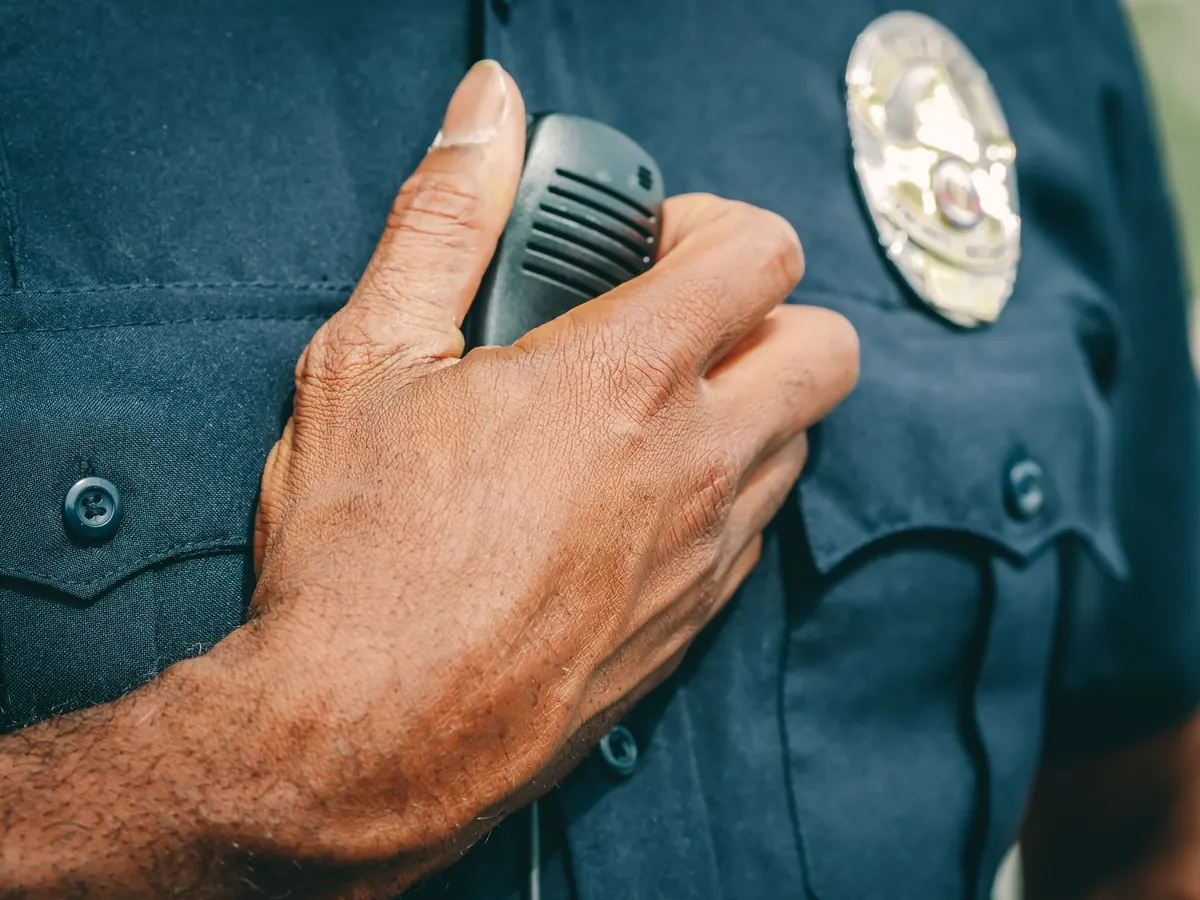
Photo: Kindel Media / Pexels