How to Start a Local Ham Radio Club That Attracts New Members
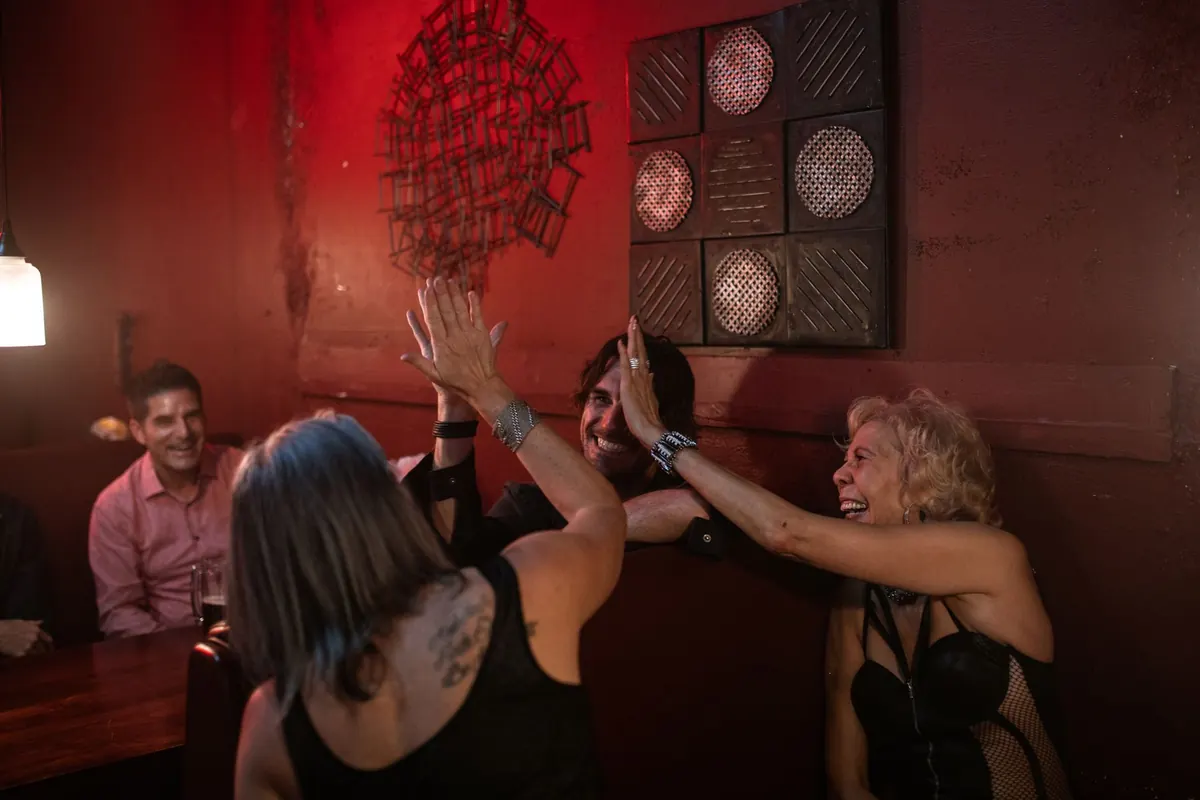
A club with fifteen members who all met each other in 2009 can feel warm from the inside and completely closed from the outside. That gap is why so many people get licensed, buy a handheld, and never join anything. Closing it doesn't take a marketing budget. It takes a meeting worth attending, a greeting that doesn't feel like a gate, and a clear path from licensed to on the air.
Decide Who the Club Is For, and Where You'll Meet
Before anyone drafts bylaws, answer two questions honestly: who is this club for, and what room will you sit in?
If your real answer is "the people who already show up," that's a fine social group — just don't expect it to grow. If you want new members, name them. Newly licensed Technicians who have never keyed a mic. Generals who passed the exam years ago and never got on HF. Students. Families. People who moved to town for work and don't know a single person with a callsign. Emergency volunteers who want a skill that works when the cell network doesn't.
The room matters more than most organizers admit. Free or cheap space is everywhere: a library community room, a fire hall, a church basement, a community college classroom, the back room of a pizza place that's empty on Tuesday nights. What kills attendance is a thirty-minute drive each way, parking in the dark, and a locked door at 7:02. Choose somewhere easy to find, well lit, and quiet enough to hear a demo. Check it for RF noise before you commit — a room that wipes out 2 meters on a handheld is a room you'll outgrow fast.
Design a Meeting People Would Attend Anyway
Most club meetings fail the same way: forty minutes of business, ten minutes of program, and a visitor who never gets to say a word. Flip the proportions. A workable shape looks like this:
- Doors open fifteen minutes early. Coffee, a folding table, and one person assigned to stand near the entrance.
- Welcome and introductions. Every person in the room says their name and callsign, including visitors. Ten minutes, maximum.
- The program. Twenty to thirty minutes on one concrete topic.
- Business, briefly. Post the minutes and treasurer's report in a group or on a table instead of reading them aloud. Nobody joined for parliamentary procedure.
- Open floor and socializing. This is where the actual club happens.
Start on time and end on time, every time. People with jobs and kids plan around a stated end hour, and running long teaches them not to come back.
Programs That Don't Need a Guest Speaker
Your best content is already in the room. Go-kit show and tell. An antenna analyzer demo on someone's mobile install. A POTA planning night where people claim parks and pair up. A tape-measure Yagi build for satellite passes. A fox hunt in a nearby park. A digital modes session with one laptop and one willing volunteer. A solder-and-build night with a simple kit. A member telling the story of their first year on HF, mistakes included. An evening with your county emergency manager explaining where amateur radio fits into their plans.
Book the next program before the current meeting ends. Standing around wondering what to do next month is how clubs drift.
Go Where the Curious Already Are
Announcements on the repeater reach people who already own radios. Growth comes from tables, talks, and handshakes outside the hobby. Places that work: library tech nights, maker spaces, school STEM evenings, Scout troops working on radio merit badges, county fairs, hamfests, CERT trainings, astronomy clubs, drone clubs, 4-H, and senior centers with active hobby groups.
Bring something that moves. A working station on a battery draws a crowd faster than a poster. So does an APRS map on a laptop, a handheld that receives a satellite pass, or a live HF contact with someone several states away.
Skip the jargon. "Repeater offset" and "PL tone" mean nothing to a passerby. What lands is plain: you can talk across the country without the internet, this still works when the cell network is down, and most people can pass the entry-level exam after a few weeks of steady study. Keep a sign-up sheet and a pen. Follow up within a week — a clipboard full of names nobody contacts is just paper.
Make the First Five Minutes Count
Assign a greeter every single meeting, and rotate the job so it doesn't become one person's burden. The greeter's job is simple: meet visitors at the door, get them a seat, hand them a name tag, and introduce them to two members who share their interests. Someone into satellites should meet the satellite person, not the guy who wants to argue about antenna tuners.
Ask what brought them in, and listen to the answer. Then offer one next step: come to Wednesday's net, bring your radio to the build night, ride along on Saturday's park activation. Membership forms can wait until the second visit.
Mentoring That Survives the First Contact
The hardest gap in amateur radio is the stretch between passing the exam and making a confident first contact. A club that closes that gap keeps its members. Pair every new ham with an Elmer who checks in by phone or email for the first couple of months. Offer to program their radio. Lend a station for a weekend. Run a slow, friendly net at a fixed time where new operators can check in without fear.
Spread the work across several roles so no single member burns out:
- Elmer coordinator — matches new hams with experienced ones
- Net control trainers — teach the script, then hand over the mic
- VE team liaison — keeps testing sessions on the calendar
- Equipment custodian — tracks loaner radios and club gear
- Social host — coffee, snacks, room setup, cleanup
Protect the Culture
One member who corrects every newcomer's pronunciation can undo a year of outreach. Handle it early and privately, in a normal tone: "That kind of comment makes new folks quiet. Please cut it out." A short written code of conduct, agreed on by the board and posted with the meeting schedule, gives everyone something to point to when a conversation goes sideways.
Rotate leadership. When one person has run the club for a decade, newcomers assume there's no room for them, and they're usually right. Invite new members onto committees within their first year — field day planning, the website, the refreshments table, anything with a visible result.
Your First Ninety Days
Pick a date and book a room. Invite fifteen people personally, by phone or in person, rather than posting a notice and hoping. Plan one program you can deliver with the people you already have. Assign a greeter. Put a follow-up reminder on your calendar for the week after the meeting.
Then measure the right thing. Total headcount tells you who showed up once. Returning faces tell you whether the club is working. If the same three visitors come back a second and third time, you've built something worth keeping — and the rest tends to take care of itself.
Photo: RDNE Stock project / Pexels