How to Set Up a Portable HF Station for POTA (Parks on the Air)
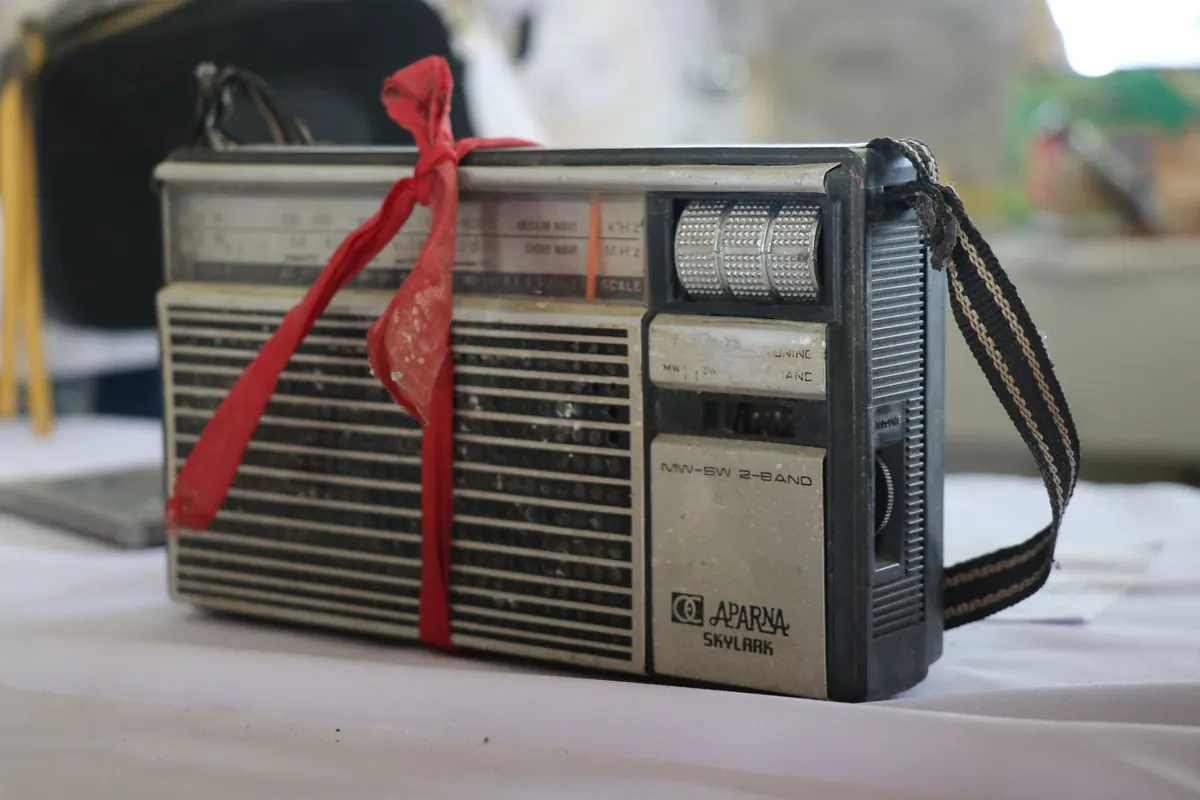
Some of the best hours in ham radio happen at a picnic table with a wire in a tree. POTA strips the hobby down to what made it fun in the first place: a radio, a piece of wire, and a bunch of strangers who are genuinely happy to hear you. The catch is that a park activation is a field operation, and field operations fail for boring reasons — a dead battery, a tangled antenna, a log you forgot to save. Get those four pieces right and the rest is just operating.
Pick a Rig You Can Actually Carry
The first decision is power level, because it drives everything else. A 100-watt radio buys you forgiveness. With 100 watts and a modest wire, you can work stations on 20 meters in the middle of the afternoon without fighting for every contact, and you can do it on SSB instead of retreating to CW.
The trade is weight and current draw. Compact 100-watt rigs fit in a small bag and run fine from a modest battery, but many of them lack an internal tuner, so budget space for an external one or plan on a resonant antenna. QRP rigs in the 5-to-10-watt class are a joy to carry and pair beautifully with CW and digital modes, where a few watts go a long way. On phone, though, QRP from a park with a low wire is work. Not impossible — just work.
Whatever you choose, build the bag around the radio:
- Rig, power cable with an inline fuse, and the correct DC plug for your battery
- Coax, plus a short jumper if you use an external tuner
- Key or paddle, mic, and a good set of headphones
- Antenna, support pole or throw line, and a choke at the feedpoint
- Notebook, pen, and a printed checklist
- Small tools, electrical tape, and a spare fuse
Headphones matter more than people expect. Parks are loud, and you will hear the difference between a quiet receiver and a struggle.
Antennas That Go Up in Ten Minutes
Two antennas cover most activations. The first is an end-fed half-wave — typically 40 through 10 meters with a 49:1 transformer — hoisted 25 to 30 feet into a tree as a sloper. It's light, it goes up fast with a throw bag and some mason line, and it tunes across multiple bands. Add a common-mode choke at the feedpoint and keep a short counterpoise wire handy; end-feds are fussy about their surroundings and a counterpoise settles them down.
The second is a linked dipole for two or three bands, usually 40, 20, and 15. It's resonant, so no tuner is needed, and it hears well because the feedpoint is elevated. The cost is setup time: you need a center support and two anchor points, which is more fiddly than one throw line.
If the ground is soft and you want something dead simple, a vertical with a few radials works. Just don't expect a ground-mounted vertical on a picnic lawn to match a wire in a tree — the wire wins almost every time.
Site selection is half the antenna work. Set up away from parking lots, RV hookup pedestals, and transformer boxes. Electrical noise in a campground can raise your noise floor by several S-units, and no antenna will fix that. Check local park rules before you attach anything to a tree; many parks allow it, some don't.
Battery Power for a Full Activation
A 12.8-volt LiFePO4 pack in the 20 to 30 amp-hour range will run a 100-watt rig for a comfortable activation, and a QRP rig for days. It weighs far less than a comparable sealed lead-acid battery and holds voltage better under load. If you plan multiple parks in one day or long digital sessions, go bigger or bring a folding solar panel.
Two numbers worth remembering. A 100-watt SSB transmitter draws peaks near 20 amps, though the average is lower because you aren't transmitting continuously. Digital modes are near-continuous duty, so plan on more capacity or drop to 20 or 30 watts for FT8 and similar modes.
Safety items, briefly: fuse the positive lead close to the battery, double-check polarity before every connection, and use a charger made for LiFePO4 rather than a lead-acid charger. Keep the pack out of direct sun and don't leave it in a hot vehicle. Cold weather reduces usable capacity, so a winter activation may need a larger pack than a summer one.
The Logging and Spotting Workflow
A POTA activation needs ten contacts to count. That's the whole threshold, and park-to-park contacts count for both operators, which is why activators trade references so eagerly.
The workflow is straightforward once you've done it a few times:
- Pick your park and note its reference number.
- Set up, check SWR, and listen before transmitting.
- Spot yourself on the POTA spotting page, or call CQ POTA on a clear frequency and let hunters find you.
- Log each contact: callsign, band, mode, UTC time, signal report, and the park reference.
- Export an ADIF file and upload it to the POTA site.
Logging is where field operations go wrong. Paper works, but transcription at the end of a long day invites errors. An app that exports ADIF removes that step entirely, and there are several designed specifically for POTA. Whichever you choose, log the time in UTC and keep your band changes obvious.
Spotting follows your mode. CW activators are usually picked up automatically by the Reverse Beacon Network, and digital operators often get spotted through their software. SSB operators generally need to self-spot or ask a hunter to spot them. If the pileup dries up, post a new spot on a different band rather than waiting.
Operating the Pileup
Once you're spotted, work quickly and keep transmissions short. When several stations call at once, ask for a partial call — "the station ending in Delta" — and move through the group. Hunters expect this and will wait. Long explanations cost you contacts.
Band choice follows the clock. Twenty meters carries daytime activations. Forty meters opens up late afternoon and stays useful into the evening, especially for regional contacts. If the rate drops on one band, change bands rather than calling into a wall of noise.
Take down everything you put up, pack out your trash, and leave the site as you found it. It keeps the hobby welcome in the parks we depend on.
Make the First Activation Easy
Do not try to build the perfect station on your first trip. Choose a park an hour from home, bring one radio, one antenna, and one battery, and plan to operate for two hours on a single band. Twenty contacts is a good day. Ten is a valid activation.
Put a printed checklist in the bag and use it every time, even when you're sure you remember everything. The checklist is what keeps you from driving back for the coax jumper. After two or three activations you will know exactly what your setup needs and what you can leave at home, and the whole thing turns into a routine you can set up in fifteen minutes.
Then comes the part that keeps people coming back: the quiet of the park, the hum of the radio, and a series of callsigns arriving out of the air because you put a wire in a tree.
Photo: Zomlien Neihsiel / Pexels