How to Get Your First Ham Radio License: A Step-by-Step Beginner's Guide
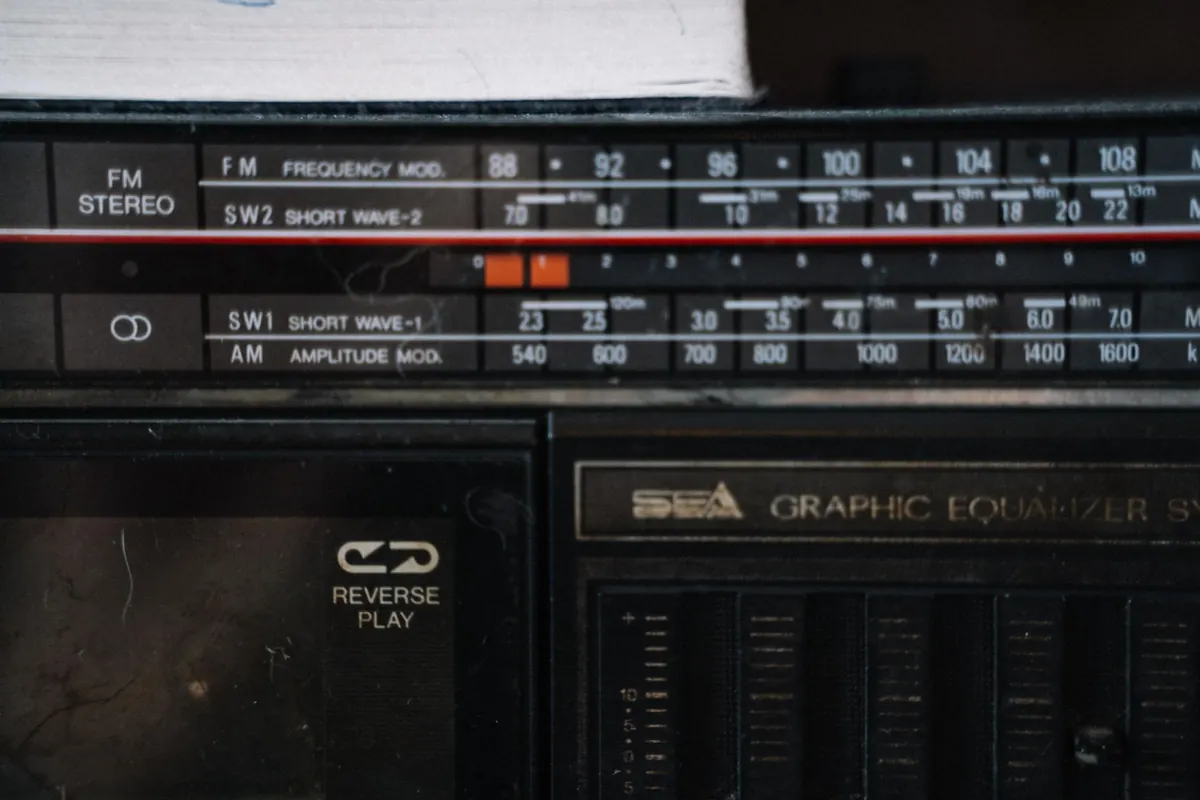
Getting an amateur radio license is more straightforward than most people expect. Morse code hasn't been required for years, the exam questions are published in advance, and you don't need an engineering degree to pass the entry-level test. What you do need is a few weeks of steady study, a scheduled exam session, and enough patience to handle a little paperwork. Here's how the process works, including the details that tend to trip up first-timers.
Start With the Technician License
In the United States, the FCC issues three classes of amateur license: Technician, General, and Extra. Technician is the entry point, and it grants full privileges on the VHF and UHF bands — the frequencies used by handheld radios, local repeaters, and most volunteer emergency communications groups. It also includes limited access to a few HF bands, enough to make your first long-distance contacts when conditions cooperate.
In practical terms, a brand-new Technician can talk across a metro area through a repeater, check into a local net, work a satellite with a hand-held antenna, or — with a modest setup on 10 meters — occasionally reach another continent when the band opens. Groups like ARES and RACES, which provide communications support during storms, wildfires, and public events, are built almost entirely on Technician-class operators. You are not a second-class citizen on the air; you simply have a smaller playground.
General comes next and opens up most of the HF spectrum, where worldwide contacts on voice and digital modes live. Extra is the top class and gives you every amateur frequency available, along with the option of a shorter call sign. Most people test for Technician first, get on the air, and upgrade later once they know what interests them. Outside the United States, your country's communications regulator runs its own licensing system, and the national amateur radio organization is the best place to start.
What's Actually on the Exam
The Technician exam is 35 multiple-choice questions, and you need to answer 26 correctly to pass. Every possible question comes from a pool that's published openly, which means you can read the exact wording of everything you might be asked. There are no hidden questions and no essays. The material covers a handful of broad areas:
- FCC rules, station identification, and operating ethics
- Basic radio and electronics theory, including Ohm's law
- Antennas, feed lines, and how signals propagate
- Common station equipment and operating practices
- Electrical and RF safety, including RF exposure limits
In practice, the questions are more practical than academic. You might be asked which frequencies a Technician may use for repeater contacts, what "73" means at the end of a transmission, what to do if you hear a distress call, or how to calculate current when you know voltage and resistance. A handful of questions require simple arithmetic; the rest are recognition and common sense once you've seen the vocabulary a few times.
The General exam is also 35 questions with the same passing score, and Extra is 50 questions with 37 required to pass. If you pass one exam at a session, most volunteer teams will let you try the next level the same day, often for an additional fee. That single afternoon is the cheapest upgrade path in the hobby — many hams knock out Technician and General back to back.
How to Study Without Burning Out
A few short sessions a week work far better than one long cram the night before. The question pool is finite, so your goal isn't to become an electrical engineer by Friday. It's to understand each concept well enough to recognize the right answer and explain why the others are wrong.
A study routine that works for most beginners:
- Read through the question pool once, section by section. Don't worry about memorizing yet; just get familiar with the vocabulary.
- Start taking practice exams after that first pass, even if you score badly. Wrong answers tell you where to focus.
- For any math questions, learn the formula instead of memorizing the answer. Ohm's law and power calculations show up in several forms.
- Keep a running list of the questions you miss and review that list before each new practice test.
- Book your exam session once you're consistently scoring in the high 80s. At that point you have margin for a bad question or two.
The goal isn't to memorize 400 answers. It's to recognize why those answers are right — that is the knowledge you'll actually use once the radio is in front of you.
Useful materials include the ARRL license manuals, free question-pool guides written by experienced hams, and websites and phone apps that let you drill a practice exam in five-minute chunks. Local clubs often run free classes in the weeks before a test session, which is worth checking even if you plan to study on your own. A class also puts you in a room with people who already hold the license, and those contacts are often worth more than the course itself.
Finding a Test Session
Amateur exams in the US are administered by Volunteer Examiners — licensed hams accredited through a Volunteer Examiner Coordinator. Sessions are held at hamfests, libraries, community centers, fire stations, club meetings, and increasingly online. A few ways to find one:
- Use the ARRL's online exam session search, which lists sessions by state and date.
- Check the websites of other coordinating organizations, several of which maintain their own search tools.
- Ask a local club. Many host sessions and will gladly test a non-member.
- Look for a remote session if nothing is close by. These run over video with an examiner watching, and many accept candidates from anywhere in the country.
Most sessions require advance registration, and some fill up quickly. Before you sign up, get your FCC Registration Number, or FRN, from the FCC's online system. You can't be issued a license without one, and waiting until exam day to create it is the single most common reason a candidate gets turned away. Registration is free and takes about ten minutes.
What Happens at the Exam Session
Volunteer exam sessions are informal and low-pressure by design. You'll show a photo ID and your FRN, pay the fee, and sit down with a paper or computer-based test. Most teams walk everyone through the answer sheet before starting, and the exam itself typically takes 20 to 30 minutes — much less if you've been drilling practice tests at home.
Grading happens on the spot, and you'll usually know whether you passed within a few minutes. If you pass Technician, ask about taking General the same day; many teams actively encourage it and charge only a small additional fee. If you don't pass, you can normally retake the exam at the same session for another fee, with no waiting period and no penalty attached to the attempt.
Bring a simple calculator if you like, a couple of pens, and your FRN written down somewhere you won't lose it. Leave the phone in your pocket — it isn't allowed as a calculator or reference during the test.
What It Actually Costs
The hobby has a reputation for being expensive, but getting licensed is not. A realistic budget looks like this:
- Exam fee: typically around $15 or less, set by the Volunteer Examiner Coordinator. Some teams charge nothing at all.
- The license itself: free. The FCC no longer issues paper licenses and doesn't charge for amateur applications.
- Study materials: free question pools and phone apps exist; a printed ARRL manual runs about $30 if you prefer paper.
- First radio: a basic dual-band handheld starts around $25–$50, while a better one with a stronger receiver and accessories runs $150 or more.
Study from free resources, buy an inexpensive handheld, and you can be on the air for under $100 total.
After You Pass: Call Sign and First Radio
Your license doesn't appear instantly. The VE team submits your results electronically, and the FCC's database usually shows your new call sign within a few business days — sometimes the same day. You can look it up in the FCC's Universal Licensing System, and you may begin transmitting as soon as the license appears there, even before any certificate arrives in the mail.
Your first radio is almost certainly a VHF/UHF handheld. A dual-band 2-meter/70-centimeter HT, a better antenna than the one in the box, and a list of local repeater frequencies will have you talking to people the same evening. From there, the usual path runs to a mobile or base station, then an HF rig once you upgrade to General.
Join a club if you possibly can. Repeater etiquette, antenna advice, and the occasional loaner radio are things no question pool can teach you, and the people who run your exam session are usually the same ones who will happily elmer you through your first year on the air.
Photo: Anna Tarazevich / Pexels